Before we move into part two of our series, I need to set the record on sheep straight. Because, I use sheep as a metaphor throughout this part of The Story of Desire series. So sit back for the skinny on sheep.
In modern Western culture, calling someone a sheep isn’t a compliment. Many think sheep are stupid, passive, and incapable of thinking for themselves. To “follow like sheep” is surrendering agency, intelligence, and responsibility.
Interestingly, this reputation is relatively recent…well sort of.
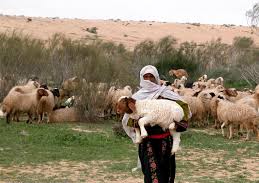
For most of human history, especially in the ancient Near East, sheep weren’t symbols of stupidity but of vulnerability, value, and relational dependence. Entire economies depended on them. Shepherds didn’t keep sheep because they were easy (it takes a lot of skill, relationship and mutual trust), but because they were precious. Shepherds feed their sheep, not beat their sheep.
So how did sheep become an insult?
Part of the shift comes from the Enlightenment (Reason & Logic c. 1680 – 1850) and post-Enlightenment (Emotion & Intuition c. 1790 – 1850). In the Western imagination, self-reliance replaced dependence as the highest virtue. Strength became synonymous with self-direction. Guidance is a weakness. In that framework, sheep – animals that thrive through attentiveness to a shepherd, are only seen negatively.
Scripture tells a very different story.
However, biblically speaking, sheep aren’t condemned for their dependence; they’re named honestly for their design. Sheepses (AKA Snagglepuss) are attentive animals. They recognize voices and form strong relational bonds. Sheep follow paths that feel safe and familiar. Left alone, they don’t flourish – they wander, overgraze, or get stuck. But under wise care, they thrive.
That’s exactly why Scripture keeps using the image. When Jesus calls people sheep, he’s not insulting their intelligence or calling them intellectually lazy. He’s naming reality. People, like sheep, are shaped by what they attend to, where they walk repeatedly, and whose voice they learn to trust. Development happens whether we acknowledge it or not.
The issue is never whether we’re sheep. The question is always: who are we listening to and which paths do we keep walking? Understanding this doesn’t diminish human dignity. It restores it.
Because in Scripture, sheep aren’t disposable. They’re known, named, sought, guided, protected, and loved. Being a sheep is far more demanding, and far more hopeful than we think. Next time, we move into the pasture where we explore, Desire as Attention.