This article is part of the Fractured Canadian Relationships series.
What if I told you that loneliness is not just a personal problem, but a societal issue that affects us all?
Loneliness and social isolation are pervasive issues affecting Canadians across all age groups. Recent surveys and studies reveal a fractured landscape of relationships, with each generation facing unique challenges. You might be a social butterfly. Perhaps you prefer to keep yourself to yourself. If you’re like me, at times you like to be alone but being alone is not the same as being lonely. Loneliness is an emotion you experience when you feel isolated. When you feel like that, it’s more difficult for you to develop meaningful connections with others.
Researching Canadian sources (not included but I can provide links if you are interested in more content and detail), here’s a snapshot of how Canadians from Generation Alpha to the Silent Generation experience loneliness and disconnectedness, balanced with some causes and experiences. I also include a story made up from some stats to personalize it. So the read isn’t so long, I will have a post for each GEN.
Generation Z (Ages roughly 15-27, born 1997-2009)
Statistics:
- Statistics: The 2023 RBC Future Launch Youth Study found that 63% of Canadian teens and young adults feeling lonely “frequently” or “almost always” significantly higher than pre-pandemic rates. The Mental Health Commission of Canada reports that Gen Z has the highest rates of diagnosed anxiety and depression of any current generation, with loneliness cited as a significant contributing factor.
- Causes: Formative years were shaped by social media and digital communication. Growing up in the midst of heightened social divisions and economic uncertainty. Declining participation in traditional community organizations that previously facilitated relationships across all ages. They experience anxiety about the environment and feel disconnected from older adults’ perspectives on the environment.
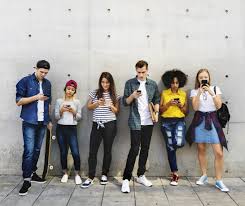
- Experience: Feel like they are living two separate lives – one online and one offline and sustained pressure to maintain an idealized persona in both. Report difficulty forming deep friendships despite many surface connections. Express frustration over limited, meaningful contact with older adults who are not in positions of authority and they often feel misunderstood by older generations – screen addicts, lazy, entitled.
“The vibe in my UWO dorm room is dead this weekend. My roomie’s gone home to Toronto, so I’m just scrolling – TikTok, Snap, Insta, repeat. Low-key but having a breakdown but it’s whatever. My notifs are blowing up but it’s all surface. In high school I had my people, but then COVID hit during grade 11, and now I’m just awkward IRL. The thought of showing up solo to a campus thing? No cap, my anxiety could never. Everyone seems to have their aesthetic and friend group figured out. I’m watching stories from a party in the Annex I didn’t even know about, and now I gotta craft the perfect casual post so people think I’m thriving too. It’s exhausting being perceived all the time while feeling like no one actually sees you, IYKYK. And people wonder why Gen Z mental health is in the gutter.”
Gen Z Zoe