This article is part of the Fractured Canadian Relationships series.
What if I told you that loneliness is not just a personal problem, but a societal issue that affects us all?
You might be a social butterfly or perhaps you prefer to keep yourself to yourself. If you’re like me, at times you like to be alone but being alone is not the same as being lonely. Loneliness is an emotion you experience when you feel isolated. When you feel like that, it’s more difficult for you to develop meaningful connections with others.
Loneliness and social isolation are pervasive issues affecting Canadians across all age groups. Recent surveys and studies reveal a fractured landscape of relationships, with each generation facing unique challenges.
Researching Canadian sources (not included but I can provide links if you are interested in more content and detail), here’s a snapshot of how Canadians from Generation Alpha to the Silent Generation experience loneliness and disconnectedness, balanced with some causes and experiences. I also include a story made up from some stats to personalize it. So the read isn’t so long, I will have a post for each GEN.
Generation Alpha (Ages roughly 0-14, born 2010-2024)
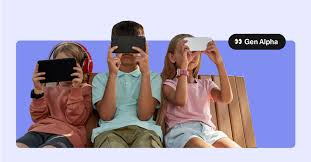
- Statistics: A 2023 SickKids Hospital study found that 27% of Canadian children ages 6-12 report feeling “left out” or “lonely at least several times a week, with higher rates for children who have limited access to unstructured play. Research from the University of British Columbia shows that children in this age group have 35% fewer face-to-face interactions with non-family members compared to children of the same age in the 1990’s. A 2020 survey by the Canadian Mental Health Association (CMHA) found that 61% of parents reported concerns about their child’s mental health, including anxiety and loneliness.
- Causes: Born into a fully digital world with supervised and scheduled lives. Dramatically reduced neighbourhood freedom compared to previous generations. Limited exposure to adults outside family and educational settings. Pandemic disruptions during their socially formative years. Increased screen time and overscheduled lives with less free play, and declining neighborhood engagement where children previously interacted with adults beyond their parents.
- Experience: Many describe feeling constantly connected yet strangely isolated as well. They say they know fewer adults in their neighbourhood compared to previous generations and often they can’t name adults beyond teachers and parents they could turn to for help. Children also experience higher rates of anxiety about social interactions outside of structured settings.
“I’m in my Minecraft world building a replica of the CN Tower. During most of the pandemic school was remote learning on an iPad or Chromebook but now we have to go in person every day. It’s been a while but still feels kinda weird. Like, people don’t follow the same rules as in games. My parents are always saying ‘No more screen time’ and ‘go play outside’ but they don’t get it. Online is where all my friends are! Well, not exactly friends yet, but they could be. Mom says I need to have play dates, but that’s for little kids. I’m waiting for someone to notice my build and maybe want to play together. My parents think hockey or soccer practice is more important, but this IS my real world too.”
Gen Alpha Alex