
The World Is Evil, John…
In my previous article I touched upon God’s love nature and the persistence of evil. This Bridge Article – When Love Meets A World Of Evil points us toward considering how God gave us freedom to choose and how that works in a mutual relationship between God and us.
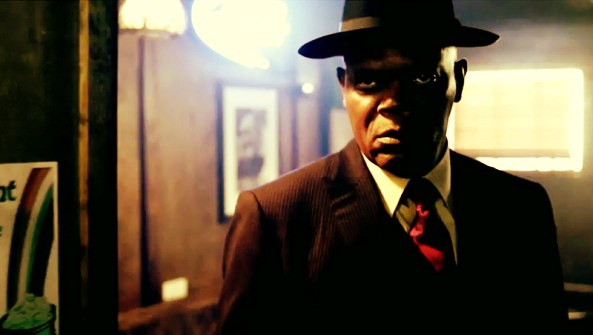
In the thriller, “Meeting Evil,” Samuel Jackson’s character Richie has a dark worldview that he tries to intimidate John (Luke Wilson) into understanding the brutal nature of life. “The world is evil, John. It’s just plain evil. That’s the truth.”
Instead of attempting to explain evil away, I suggest we reframe it. We see evil truthfully. We see God faithfully. We hold on to hope that God being love, that love, not evil, will be the last word. But before we explore the mutuality of love in a future article, I want to highlight some other attributes of God that are part of we could call God’s contingency plan.
God’s Contingency
If God’s very nature is love, then why do we also read of His justice, His mercy, even His wrath? To some, these appear to be contradictions in God’s character. Is God loving one moment, wrathful the next? Is He merciful to some but harsh toward others?
The confusion lies not in God’s nature but in our understanding. Love is the necessary foundation of God’s existence. In every possible world God could conceive of creating, God would still be love. Love is what God is.
But some other qualities we often wrestle with—justice, mercy, salvation, and yes, even wrath—are contingent expressions of that love. When God created this world, God knew all possible and probable outcomes. So when God created this world by giving humanity the capacity to choose freely, God baked in contingencies, even the life, death and resurrection of Jesus was a contingency. They arise because God’s love encounters a world where evil persists and evil persists because people have to freedom to reject God and choose to act upon their own desires.
Justice is what love looks like when setting things right.
Mercy is what love looks like when bending toward the broken.
Salvation is what love looks like when reaching into the darkness to rescue.
Wrath is what love looks like when refusing to be indifferent toward evil.
None of these stand on their own apart from love. They’re not equal pillars holding up God’s character. They flow from God’s love, revealed to us because God, in His freedom, created a world where our freedom matters.
That’s why wrath isn’t eternal in God’s being. God isn’t an eternally angry Father. Wrath only exists in response to evil; wrath is love’s opposition to all that destroys creation. Remove evil, and wrath disappears. But love remains.
This helps us see that there is no contradiction in God’s nature. The apparent inconsistencies we wrestle with are really the limits of our perception. God is perfectly consistent. The one eternal reality is love, and everything else flows from it.
And that leads us to the next question: if God necessarily exists in love, what does it mean that He created us with the freedom to respond in love?
Until next time…